
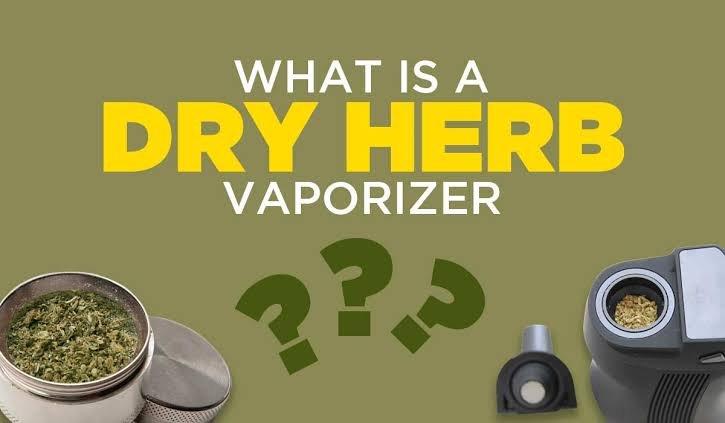
A dry herb Vape UK vaporiser is a device designed to heat compatible dried botanical material without intentionally burning it. If you are researching dry herb vaporisers in the UK, understanding the different heating systems, temperature controls, chamber designs and maintenance requirements can help you compare devices more effectively.
Unlike an e-liquid vape, THC cartridge or disposable vape, a dry herb vaporiser uses a chamber designed for dry material rather than a liquid or oil formulation. Portable and desktop models can also differ in size, battery arrangements, temperature adjustment and cleaning requirements.
This guide explains what dry herb vaporisers are, how conduction and convection heating work, which features to compare, how temperature controls differ, and how to maintain a device. It also covers dry herb vaping versus smoking and the distinction between dry herb devices and other vape formats.
Before choosing a device: Check the manufacturer’s instructions, material compatibility, battery requirements and applicable UK laws. A vaporiser’s intended function does not determine whether the material used in it is lawful.
For a broader explanation of the term, related botanical materials and the meaning of herb vaping, read our vaping herbs guide.
What Is a Dry Herb Vape?
A dry herb vaporiser (also called a dry herb vaporizer) is a device designed to heat compatible dried botanical material in a dedicated chamber. Unlike a vape that heats e-liquid or an oil-based formulation, it is built around dry material.
Most dry herb vaporisers contain several key components:
- Heating chamber: Holds the compatible material during operation.
- Heating system: Transfers heat through conduction, convection or a combination of both.
- Temperature controls: Allow users to adjust the heat or select from preset settings, depending on the device.
- Airflow pathway and mouthpiece: Direct the resulting aerosol through the device.
- Power system: Supplies energy through a rechargeable or replaceable battery, or through a mains connection on some desktop models.
Not every device includes a digital display or adjustable temperature settings. Specifications and operating methods vary, so check the manufacturer’s documentation before comparing models.
The term “dry herb vape” describes the device format, not the legal status or suitability of every botanical material. Only use material explicitly identified as compatible with the device.
If you’re specifically researching a vape for bud, our dedicated guide explains the different options and features to consider.
Learn more: Vape For Bud: UK Guide to Dry Herb Vapes, Cannabis Flower & Vape Options
How Does a Dry Herb Vaporizer Work?
A dry herb vaporizer works by heating material inside a chamber to a controlled temperature.
Instead of relying on combustion, the device uses its heating system to transfer heat to the material.
The basic process is:
Dry herb → heating chamber → controlled heat → inhalable aerosol
The exact heating process depends on the vaporizer.
Conduction Vaporizers
Conduction devices heat the material through direct contact with a heated surface.
These devices can be relatively straightforward to operate, although heating consistency can vary depending on chamber design and how the material is packed.
Convection Vaporizers
Convection devices use heated air to heat the material.
The design can allow hot air to move through the material rather than relying primarily on direct contact with a heated surface.
Hybrid Vaporizers
Hybrid devices combine conduction and convection heating technologies.
When comparing vaporizers, heating technology is therefore one of several specifications worth considering alongside temperature control, battery life, chamber size and portability.
How to Use a Dry Herb Vaporizer
If you are new to dry herb vaping, the basic process is relatively straightforward, although individual devices can differ.
1. Charge the Device
Before using a rechargeable vaporizer, make sure the battery has sufficient charge.
Use the charging equipment and charging procedure recommended by the manufacturer.
2. Prepare the Dry Herb
Prepare the material according to the manufacturer’s instructions.
Different vaporizers can perform differently depending on grind consistency and chamber preparation.
3. Load the Heating Chamber
Place the recommended amount into the heating chamber.
Avoid overfilling the chamber because excessive packing can restrict airflow on some devices.
4. Select the Temperature
If your device has adjustable temperature control, choose a setting within the manufacturer’s recommended operating range.
Temperature can influence flavour, aerosol density and the compounds released during heating.
5. Allow the Device to Heat
Wait until the device indicates that it has reached the selected temperature.
Do not assume that every device reaches its displayed temperature in exactly the same way.
6. Use the Device According to the Manufacturer’s Instructions
Draw through the mouthpiece according to the instructions supplied with your device.
Airflow, draw speed and heating design can all affect performance.
7. Empty and Clean the Chamber
After use, allow the device to cool before carrying out any maintenance.
Remove material according to the manufacturer’s instructions and clean the relevant components when required.
For a more detailed explanation of temperature settings, see our Dry Herb Vaporizer Temperature Guide.
What to Look for in a Dry Herb Vaporizer
When comparing dry herb vaporisers, look beyond the product name or advertised temperature range. The heating system, power supply, chamber design and maintenance requirements can all affect how a device operates.
Heating technology
Dry herb vaporisers generally use one of three heating approaches:
- Conduction: Transfers heat through direct contact with a heated surface.
- Convection: Uses heated air to transfer heat through the material.
- Hybrid: Combines conduction and convection.
The heating method is only one factor to consider. Chamber construction, airflow and the manufacturer’s operating instructions also matter.
Temperature controls
Some devices offer adjustable temperature settings, while others use preset levels. Compare the available control range and check whether the manufacturer provides clear operating guidance. A higher maximum temperature does not automatically mean a device is better.
Chamber capacity and airflow
Chamber size affects how much material the device can accommodate. Chamber design and airflow pathways can also influence how the device performs. Check the manufacturer’s stated capacity rather than relying on general descriptions such as “large chamber.”
Battery and charging
For portable devices, compare battery specifications, charging arrangements and whether the battery is replaceable. Follow the manufacturer’s charging instructions and avoid using damaged batteries or charging equipment.
Desktop devices may use a mains power supply instead, so consider whether portability is actually important for your intended use.
Portability and build
Consider device dimensions, weight, construction materials and how easily it can be transported and stored. A compact model and a larger desktop unit serve different practical needs, so compare like with like.
Cleaning and maintenance
Check whether the mouthpiece and other removable components can be cleaned, how the heating chamber should be maintained, and whether replacement parts are available. Avoid using cleaning liquids on electronic components unless the manufacturer expressly permits it.
Warranty, support and price
Look for clear specifications, accessible operating instructions, warranty terms and manufacturer support. Compare the complete feature set against the price rather than assuming that the most expensive model is automatically the best option.
For a model-by-model comparison, see our Best Dry Herb Vaporizers UK buying guide. That guide is the appropriate place for detailed device comparisons; this page explains the features and terminology that help readers understand them.
Dry Herb Vaporizer Temperature Guide
Temperature settings influence how a dry herb vaporiser heats compatible material, but the results vary between devices. Heating technology, chamber design, airflow and the characteristics of the material all affect performance.
The ranges below are broad reference points for understanding temperature controls, not universal settings or guarantees of a particular flavour, aerosol density or chemical composition. Always stay within the manufacturer’s specified operating range.
When comparing devices, check the available temperature settings, how accurately the manufacturer describes their operation, and whether the instructions explain how to adjust the controls. A higher temperature is not automatically better, and excessive heat may increase harshness or the risk of unwanted combustion.
As a general reference:
| Temperature | General characteristics |
|---|---|
| 160–170°C | Lighter aerosol and stronger emphasis on flavour |
| 170–180°C | Balance between flavour and aerosol production |
| 180–190°C | Denser aerosol and broader compound release |
| 190–200°C | Hotter and denser aerosol |
| 200–210°C | Very high setting with increased potential for harshness or combustion depending on the device |
These ranges are general reference points rather than guarantees.
Lower temperatures can produce lighter aerosol and preserve more delicate aromatic characteristics, while higher temperatures generally produce hotter and denser aerosol.
Our detailed Dry Herb Vaporizer Temperature Guide explains temperature ranges, cannabinoids, terpenes, heat settings and how to adjust temperature gradually.
How to Clean a Dry Herb Vaporizer
Regular maintenance helps keep a dry herb vaporiser in suitable working condition. The cleaning method depends on the device, so always consult the manufacturer’s instructions before removing components or using cleaning products.
Clean the mouthpiece
Check whether the mouthpiece can be removed and which cleaning methods are permitted. Allow cleaned components to dry fully before reassembling the device, where the manufacturer requires this.
Maintain the heating chamber
Allow the device to cool completely before removing loose residue. Use only the recommended cleaning tools and avoid damaging the chamber or its heating elements.
Check the airflow pathway
Residue can restrict airflow in some devices. Clean only the parts identified in the manufacturer’s instructions and do not introduce liquids into electronic components unless expressly permitted.
Follow a suitable cleaning schedule
Cleaning frequency varies by device and usage. Follow the manufacturer’s recommended schedule rather than assuming every model needs identical maintenance.
If your device stops heating, develops restricted airflow or produces an unusual taste, consult our dry herb vape troubleshooting guide before attempting repairs.explain which parts can safely be removed and cleaned.
Dry Herb Vape vs Smoking
Dry Herb Vaping vs Smoking
Dry herb vaping and smoking use different heating processes. Smoking involves combustion, whereas a dry herb vaporiser is designed to heat compatible material without intentionally burning it.
| Feature | Dry herb vaporising | Smoking |
|---|---|---|
| Heating process | Controlled heating, depending on the device | Combustion |
| Output | Inhalable aerosol | Smoke |
| Equipment | A compatible dry herb vaporiser | A smoking device or other method |
| Maintenance | Device cleaning and battery care may be required | Depends on the smoking method |
| Health considerations | Inhaled aerosol can still present risks | Smoke contains combustion products |
The comparison describes how the processes differ; it does not establish that either method is harmless. Inhaling aerosol can expose the respiratory system to potentially harmful substances, and the risks depend on the material, device and circumstances.
For a more detailed explanation of the differences, read our dry herb vape vs smoking guide.
Dry Herb Vape Storage
Correct storage applies both to the vaporizer itself and to the dry material used with it.
Store the Device Somewhere Dry
Avoid excessive moisture and humidity.
Protect It From Heat
Do not leave the device exposed to excessive temperatures or direct sunlight.
Protect the Battery
Follow the manufacturer’s instructions for battery storage and charging.
Do not use damaged batteries or damaged charging equipment.
Keep the Device Clean Before Storage
Cleaning the relevant components before longer-term storage can help prevent accumulated residue.
Keep It Away From Children and Pets
Store the device and any cannabis products securely and out of reach.
If you are specifically interested in storing flower, see our complete How to Store THC Flower Guide.
Vape for Bud: What Type of Vape Do You Need?
Vape for bud” generally refers to a vaporiser designed for compatible dried flower rather than an e-liquid or oil cartridge. When comparing devices, check the manufacturer’s stated material compatibility, heating chamber, temperature controls and cleaning requirements.
For more information, see our Vape For Bud UK Guide.
Dry Herb Vape Troubleshooting
Even a well-maintained device can occasionally experience problems.
Common issues include:
Weak or Little Vapor
Possible factors include temperature, airflow, material preparation and device condition.
Restricted Airflow
Residue in the mouthpiece or airflow pathway can affect performance.
Device Not Heating
Check the battery, charging status and manufacturer’s troubleshooting instructions.
Burnt Taste
A burnt taste may indicate excessive heat, insufficient airflow, residue or another device-specific issue.
Battery Problems
Use the manufacturer’s recommended charging procedure and do not use damaged hardware.
For detailed solutions, read our Dry Herb Vape Troubleshooting Guide.
Dry Herb Vape vs THC Vape
Dry herb vaporizers and THC oil vapes are different product formats.
| Feature | Dry Herb Vaporizer | THC Oil Vape |
|---|---|---|
| Material | Dry botanical material | Oil or liquid formulation |
| Chamber | Herb chamber | Cartridge, pod or reservoir |
| Heating | Heats dry material | Heats a formulation |
| Preparation | Material is loaded into chamber | Usually supplied in a cartridge/disposable |
| Temperature control | Depends on device | Depends on device |
| Hardware | Usually rechargeable | Disposable or rechargeable depending on format |
A dry herb vaporizer is therefore not simply a larger version of a disposable or cartridge vape.
For more information about THC vape formats, see our THC Vapes UK Complete Beginner’s Guide.
Dry Herb Vape UK Legal Considerations
Dry Herb Vaporiser UK: Legal Considerations
A dry herb vaporiser is a type of device, and its legal status should not be confused with the legal status of the material used in it.
In the UK, cannabis and controlled cannabinoids are subject to specific laws, and the rules can depend on the substance, its intended use and the circumstances. Prescribed cannabis-based medicinal products may be treated differently from non-prescribed cannabis products.
Do not assume that owning a vaporiser makes every substance suitable for use in it lawful. Check current official guidance and the rules that apply to the specific product and circumstances.
For broader information, see our UK Cannabis Laws Guide.
Dry Herb Vape UK FAQs
What is a dry herb vape?
A dry herb vape is a vaporizer designed to heat dried botanical material inside a dedicated chamber rather than heating an e-liquid or oil cartridge.
What is the difference between a dry herb vape and a THC vape?
A dry herb vape heats dry material, while a THC vape generally heats a liquid or oil formulation contained in a cartridge, pod or disposable device.
How do you use a dry herb vaporizer?
Generally, you charge the device, prepare the material, load the chamber, select an appropriate temperature if adjustable, allow the device to heat and operate it according to the manufacturer’s instructions.
What temperature should a dry herb vaporizer be?
There is no universal temperature. Approximately 160–180°C can provide lighter aerosol and more flavour-focused vaporization, while 180–200°C generally produces denser and hotter aerosol. Device specifications and manufacturer instructions should always take priority.
How often should you clean a dry herb vape?
Cleaning frequency depends on the device and how frequently it is used. Follow the manufacturer’s maintenance instructions.
What is the difference between conduction and convection?
Conduction heats material through contact with a heated surface, while convection uses heated air to transfer heat through the material.
What is the best dry herb vaporizer for beginners?
Rather than choosing a device solely because it is marketed as a beginner vaporizer, compare its temperature controls, heating method, battery, chamber, cleaning requirements, instructions and manufacturer support.
What does vape for bud mean?
“Vape for bud” generally refers to a vaporizer designed to heat dried flower or botanical material rather than a liquid vape formulation.
Can you vape herbs in a dry herb vaporizer?
Only use materials that the device manufacturer states are compatible with the vaporizer. Do not assume every herb or botanical material is suitable.
How should a dry herb vaporizer be stored?
Store it somewhere dry and away from excessive heat, moisture, direct sunlight, children and pets. Follow the manufacturer’s battery-storage recommendations.
Final Thoughts
Choosing a dry herb vaporiser starts with understanding how the device heats compatible material and which features matter most. Heating technology, temperature controls, chamber design, battery requirements, cleaning and manufacturer support are all worth comparing before making a decision.
Use this guide to understand the terminology and specifications, then visit our Best Dry Herb Vaporizers UK buying guidefor a more focused comparison of device options. Always follow the manufacturer’s instructions and check the laws applicable to the material you intend to use.
Most importantly, don’t confuse a dry herb vaporizer with a cartridge or disposable vape. They are different device categories designed around different materials. Browse Our THC Flower Guide for more .
Browse Related Topics;
→ Best Dry Herb Vaporizers UK
→ How to Choose a Dry Herb Vaporizer
→ Vape for Bud: UK Guide
→ Vaping Herbs: Complete Guide
→ Dry Herb Vape vs THC Vape
→ Dry Herb Vaporizer Temperature Guide
→ Dry Herb Vape Cleaning & Maintenance
→ Dry Herb Vape Troubleshooting
→ Portable vs Desktop Dry Herb Vaporizers
→ Dry Herb Vape vs Smoking