
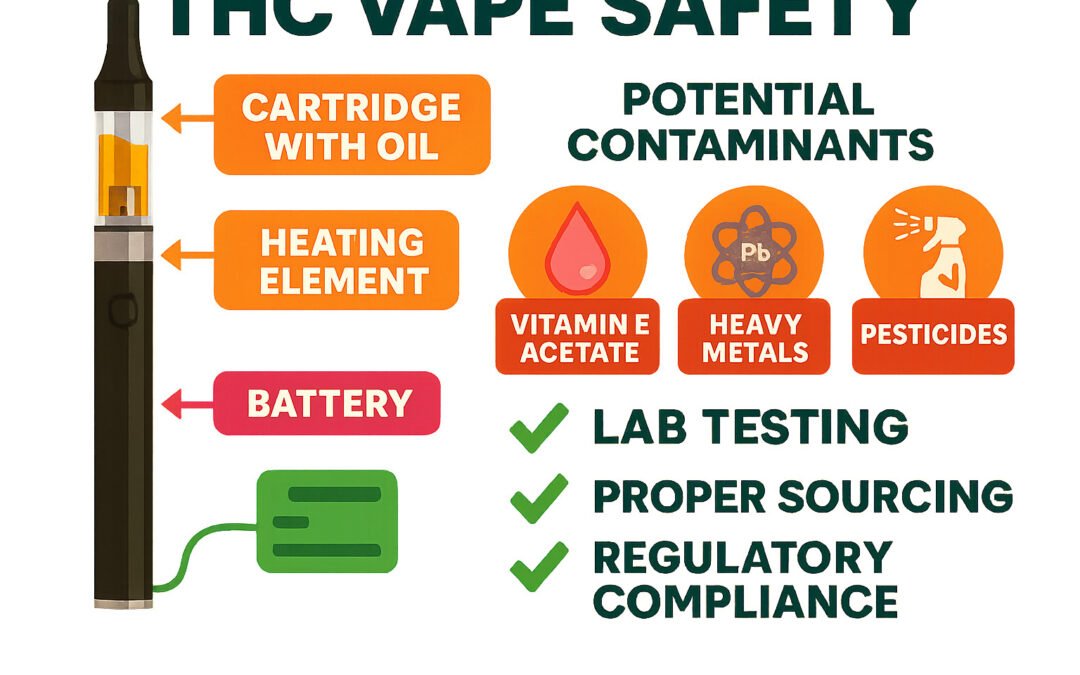
If you use or are considering a THC vape, understanding basic vaping practices can help you make more informed decisions about product selection, storage, device use and responsible consumption.
This Sluggers Vapes THC safety guide covers practical considerations for using Sluggers products, including disposable vapes and other vape formats. It also explains what to look for when choosing a product, why product testing information matters, and how to store and handle vape products correctly.
Whether you’re new to THC vapes or already familiar with disposable devices, these best practices can help you approach vaping more carefully and responsibly.
What Is a THC Vape?
A THC vape is a vaporising product designed to heat a cannabis-derived formulation so that its contents can be inhaled as an aerosol.
THC vape products can come in different formats, including:
- Disposable THC vapes
- Rechargeable vape devices
- THC vape cartridges
- Different-capacity disposable devices
- Switch or multi-option vape formats
Because formulations and hardware can vary between products, it is important to read the product information provided by the retailer and manufacturer rather than assuming every vape works in exactly the same way.
1. Choose Products With Clear Product Information
One of the most important vaping practices is knowing what you’re buying.
Before purchasing a THC vape, look for clearly presented information about the product, including where applicable:
- Cannabinoid content
- Product type
- Strain or cultivar information
- Terpene profile
- Ingredients or formulation information
- Batch or lot information
- Laboratory testing information
- Packaging details
- Manufacturer or brand information
Transparent product information makes it easier to compare products and understand what you are purchasing.
For Sluggers products, check the individual product listing for the information available for that particular product.
2. Check Laboratory Testing Information
Laboratory testing can provide useful information about product composition and contaminants.
Depending on the product and testing panel, a certificate of analysis (COA) may provide information relating to areas such as:
- Cannabinoid profile
- Potency
- Residual solvents
- Heavy metals
- Pesticides
- Microbial contaminants
A COA should correspond to the relevant product or batch where applicable. Don’t assume that a laboratory report for one product automatically applies to every product from the same brand.
What Should You Look for in a COA?
When reviewing a COA, check whether:
- The product or batch can be identified.
- The laboratory is identified.
- The testing date is available.
- The cannabinoid results are clearly presented.
- The relevant contaminant testing is shown.
- The report appears complete rather than being a cropped result.
Testing does not mean that a product is risk-free. It is one part of making a more informed purchasing decision.
3. Follow the Product Instructions
Always read the instructions supplied with your vape.
Different devices can have different operating requirements, including:
- Activation method
- Charging requirements
- Airflow
- Storage instructions
- Temperature settings
- Disposable versus rechargeable operation
Don’t assume that a vape operates in the same way as another device simply because the products look similar.
For disposable products, don’t attempt to dismantle the device or modify its internal components.
4. Start Conservatively
THC products can affect people differently, and product potency can vary considerably.
If you’re inexperienced with THC vaping, a conservative approach is preferable to immediately taking repeated or large inhalations.
Give yourself time to understand how a product affects you before consuming more.
Avoid treating a high cannabinoid percentage as a reason to consume more. Potency is only one part of the overall product experience.
5. Avoid Excessive or Continuous Vaping
Repeated inhalation over a short period can result in consuming more THC than intended.
A practical approach is to avoid continuous vaping and give yourself time between inhalations.
If you experience unwanted effects such as significant dizziness, anxiety, confusion, nausea or an uncomfortable racing heartbeat, stop consuming and allow time for the effects to subside.
If symptoms are severe, persistent or concerning, seek appropriate medical assistance.
6. Never Share Your Vape
Sharing a vape can create hygiene concerns and makes it harder to keep track of how much you personally have consumed.
Your vape should be treated as a personal-use product.
Keeping the mouthpiece clean and avoiding unnecessary contact with other people also helps maintain better hygiene.
7. Keep Vapes Away From Children and Pets
THC products should always be stored securely and kept away from children and animals.
A vape can contain concentrated cannabinoid material and may also contain a battery and small components that present additional hazards.
Store your products:
- In a secure location
- Away from children
- Away from pets
- Away from excessive heat
- Away from direct sunlight
- In their original packaging where appropriate
Don’t leave a THC vape somewhere accessible on a desk, bedside table, vehicle dashboard or other exposed location.
8. Store Your Vape Correctly
Correct storage can help protect both the product and its hardware.
Keep vape products in a cool, dry environment away from direct sunlight and excessive heat.
Avoid leaving a disposable vape in:
- A hot car
- Direct sunlight
- Damp areas
- Near radiators
- Other high-temperature environments
Extreme temperatures can affect vape formulations and batteries.
9. Look After the Battery
Battery safety is particularly important for rechargeable vape devices.
Use the appropriate charging equipment and follow the manufacturer’s charging instructions.
Don’t use a device if the battery or hardware appears damaged, swollen, cracked or unusually hot.
You should also avoid:
- Attempting to repair a damaged battery yourself
- Modifying the battery
- Using incompatible charging equipment
- Leaving damaged devices in use
- Exposing batteries to extreme temperatures
If a rechargeable device develops a significant hardware or battery problem, stop using it.
10. Don’t Modify or Refill Disposable Vapes
Disposable vapes are designed for their intended use and should not normally be opened, modified or refilled.
Trying to disassemble a disposable device can expose you to the battery, internal electronics or vape formulation.
If a disposable vape stops functioning, leaks, becomes damaged or behaves unusually, discontinue use rather than attempting an improvised repair.
11. Pay Attention to Leaking or Unusual Performance
A vape should not be ignored if something appears abnormal.
Stop using the product if you notice:
- Significant leaking
- A damaged mouthpiece
- A damaged casing
- Unusual overheating
- A damaged battery
- Unusual smells
- Unexpected changes in performance
- Visible physical damage
Don’t continue using a device simply because it still turns on.
Contact the retailer or manufacturer if you believe the product may be defective.
12. Avoid Vaping Around Children
THC vaping should be treated as an adult product and should not be used around children.
Keep vape products securely stored and avoid leaving devices where other people could accidentally access them.
If a child or pet accidentally consumes a cannabis product, seek urgent professional medical or veterinary advice.
13. Don’t Drive After Using THC
One of the most important safety rules is never drive or operate machinery while impaired by THC.
THC can affect reaction time, attention, coordination and judgement.
Don’t assume that you are safe to drive simply because you feel less affected than expected.
Plan transportation in advance if you intend to consume THC.
14. Avoid Mixing THC With Alcohol or Other Intoxicating Substances
Combining THC with alcohol or other intoxicating substances can make impairment less predictable.
If you choose to consume THC, avoid combinations that could increase impairment or make it more difficult to understand how the product is affecting you.
People taking prescription medications should also consider speaking with a qualified healthcare professional or pharmacist about potential interactions.
15. Know When to Stop
Responsible vaping includes recognising when you have had enough.
If you experience an uncomfortable reaction, stop consuming the product.
Possible unwanted effects can include:
- Anxiety
- Dizziness
- Drowsiness
- Nausea
- Confusion
- Increased heart rate
- Impaired coordination
- Difficulty concentrating
If symptoms are severe or don’t improve, seek medical assistance.
Sluggers THC Vape Product Selection
When comparing Sluggers vape products, don’t make your decision based on potency or flavour alone.
Consider the complete product profile.
Look at:
Product format:
Choose a disposable, cartridge or other format based on the device requirements and information supplied.
Cannabinoid information:
Review the cannabinoid profile provided for the product.
Testing information:
Look for available batch or laboratory information.
Product size:
Compare the stated quantity or capacity.
Terpene profile:
Where provided, terpene information can help you understand the product’s formulation.
Packaging:
Check that the product arrives appropriately packaged and appears intact.
You can explore the available Sluggers Disposable Vapes to compare current products and product information.
Why Product Transparency Matters
A good THC vape buying decision should involve more than choosing the product with the most attractive packaging or the highest advertised potency.
Product transparency gives customers more information with which to make their own decisions.
When available, useful information can include:
- Product specifications
- Cannabinoid content
- Batch information
- Testing information
- Ingredients
- Product quantity
- Device specifications
- Storage instructions
For customers comparing different THC vapes in the UK, these details can make product research easier.
THC Vape Safety UK FAQs
Are THC vapes safe?
No inhaled cannabis product should be described as completely risk-free. THC vaping can carry potential health and impairment risks. Following product instructions and responsible-use practices can help reduce avoidable risks.
How should I store a THC vape?
Store it in a cool, dry place away from direct sunlight, excessive heat, children and pets. Follow the specific storage instructions supplied with your product.
Can I share my THC vape?
It’s better to treat a vape as a personal-use product. Sharing can create hygiene concerns and makes personal consumption harder to track.
Can I refill a disposable THC vape?
Disposable devices should not be opened or modified unless the manufacturer specifically designed the device to be refillable. Don’t attempt to refill a disposable vape.
What should I do if my vape is leaking?
Stop using it if you notice significant leaking or other unusual behaviour. Don’t attempt to repair or dismantle a damaged device. Contact the retailer or manufacturer for appropriate assistance.
Can I drive after vaping THC?
You should not drive or operate machinery after using THC if there is any possibility that you are impaired. THC can affect coordination, reaction time, attention and judgement.
Should THC vapes be kept away from children?
Yes. Keep THC products securely stored and inaccessible to children and pets.
Final Thoughts: Best Practices for Safe THC Vaping
Using THC vapes responsibly starts with understanding the product and paying attention to basic safety practices.
Choose products with clear information, review available testing documentation, follow the manufacturer’s instructions, store devices correctly and avoid modifying disposable hardware. Most importantly, understand that THC can cause impairment and that vaping is not risk-free.
For customers researching Sluggers products, take the time to review the individual product information before purchasing.
You can also explore our Sluggers Disposable Vape collection and THC Vapes UK Delivery guide for additional product and delivery information.