
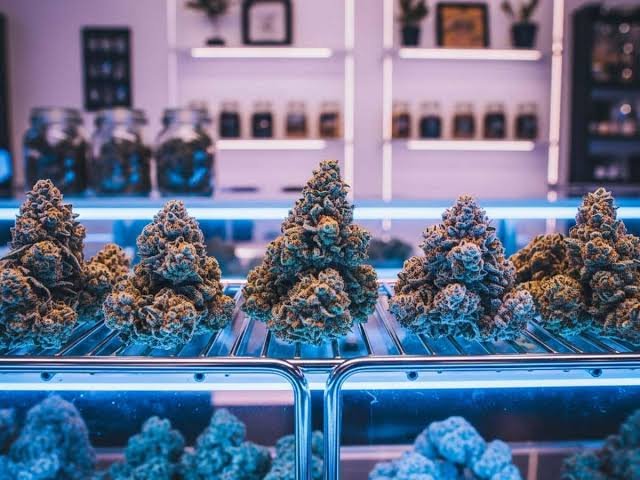
Searching for the best THC flower strains can quickly become confusing. With hundreds of strain names, different cultivars, cannabinoid profiles, terpene combinations and product descriptions, choosing between two flowers involves more than simply looking at the name on the packaging.
A better approach is to compare the information behind each product.
This Sluggers Vapes guide explains how to compare THC flower strains, what the terms indica, sativa and hybrid actually tell you, why terpene profiles matter, how cannabinoid percentages can be interpreted, and which product-quality information is worth checking before making a decision.
What Makes a THC Flower Strain “Best”?
There isn’t one universally best THC flower strain.
What makes one cultivar more appealing than another depends on the characteristics being compared.
When evaluating cannabis flower, look at:
- Cannabinoid profile
- THC and CBD content where applicable
- Terpene profile
- Cultivar or strain name
- Indica, sativa or hybrid classification
- Aroma and flavour descriptions
- Flower appearance
- Cultivation information
- Lab-testing information
- Packaging and freshness
- Product consistency
A useful comparison therefore looks beyond the strain name. Learn THC Flower UK Guide for details
For example, two products might both be described as hybrid flower but have very different cannabinoid and terpene profiles.
Best THC Flower Strains: Start With the Cannabinoid Profile
Cannabinoids are one of the most useful pieces of information when comparing cannabis flower.
THC and CBD are the two cannabinoids most commonly discussed, although cannabis contains many other cannabinoids.
A product’s cannabinoid information can help you understand what is actually being reported about the flower rather than relying entirely on marketing language.
Why THC Percentage Isn’t Everything
A higher reported THC percentage doesn’t automatically make one flower objectively better than another.
Two flowers with similar THC percentages can have noticeably different terpene profiles, aromas, flavours and overall characteristics.
This is why experienced buyers often compare the complete cannabinoid and terpene profile rather than choosing solely according to the largest number on the label.
Compare Terpenes When Choosing Between Flower Strains
Terpenes are aromatic compounds found throughout many plants, including cannabis.
They contribute to the aroma and flavour characteristics associated with different cultivars.
Common cannabis terpenes include:
- Myrcene — commonly associated with earthy, herbal aromas
- Limonene — commonly associated with citrus notes
- Caryophyllene — often associated with peppery, spicy aromas
- Pinene — associated with pine-like notes
- Linalool — associated with floral aromas
- Humulene — often associated with earthy and hoppy notes
Terpene profiles can therefore be useful when comparing two flowers that have similar cannabinoid levels.
Leafly’s cannabis guide also highlights cannabinoids and terpenes as important components when comparing cannabis varieties.
Why Terpene Information Matters
Suppose you’re comparing two flower products.
Flower A
- Higher limonene
- Citrus aroma
- Fruity flavour profile
Flower B
- Higher caryophyllene
- Peppery aroma
- Spicy flavour profile
The cannabinoid percentages alone wouldn’t tell you these differences.
The terpene profile gives you another way to distinguish the products.
Indica vs Sativa vs Hybrid: Does It Help?
You’ll often see THC flower described as:
These classifications can be useful as broad descriptions, but they shouldn’t be treated as a complete scientific explanation of a flower’s characteristics.
Modern cannabis cultivars have complex genetics, and many commercially available products are hybrids.
For a more detailed comparison, consider the cultivar name, cannabinoid profile and terpene profile together rather than relying exclusively on an indica or sativa label.
What Is Indica Flower?
Indica is commonly used as a broad classification for cannabis varieties traditionally associated with shorter, bushier plants and certain historical genetic lineages.
What Is Sativa Flower?
Sativa is commonly used to describe varieties historically associated with taller plants and different genetic backgrounds.
What Is Hybrid Flower?
Hybrid generally refers to cultivars containing genetics from different cannabis lineages.
For consumers comparing products, hybrid does not automatically mean better or worse. The individual product’s characteristics matter more.
How to Compare THC Flower by Aroma and Flavour
Aroma is one of the easiest ways to distinguish cannabis flower.
Descriptions can include:
- Citrus
- Fruity
- Sweet
- Earthy
- Herbal
- Pine
- Spicy
- Floral
- Gassy
- Tropical
These descriptions are largely connected to the flower’s terpene composition.
If you already know that you prefer citrus-forward flower, for example, looking for products with relevant terpene information can make comparison easier.
Compare Flower Appearance and Freshness
Appearance can also provide useful information, although it shouldn’t be the only quality indicator.
When evaluating flower, consumers may look at:
- Colour
- Bud structure
- Trichome coverage
- Trim quality
- Moisture condition
- Visible contamination
- Packaging condition
What Are Trichomes?
Trichomes are tiny structures found on cannabis flowers that produce cannabinoids and aromatic compounds.
They are often visible as a crystalline or frosty layer on the surface of the flower.
A heavily frosted appearance can be attractive, but appearance alone does not establish product quality.
Laboratory information and appropriate product handling provide additional evidence.
Why Lab Testing Matters
If laboratory testing information is available for a product, it can be useful when comparing flower.
Depending on the testing programme, a certificate of analysis (COA) may provide information about:
- Cannabinoid concentrations
- THC and CBD levels
- Terpene concentrations
- Residual solvents
- Heavy metals
- Pesticides
- Microbial contamination
A COA can therefore provide considerably more information than a product description alone.
What to Look for in a COA
When reviewing laboratory information, check:
Product identity:
Does the report correspond to the product or batch you’re looking at?
Testing date:
When was the sample tested?
Cannabinoid results:
Are cannabinoid concentrations clearly listed?
Contaminant testing:
Does the report provide relevant safety-testing information?
Laboratory information:
Is the testing laboratory identified?
Batch-specific documentation is particularly useful because laboratory results should correspond to a particular sample or batch rather than being presented as generic claims.
Best THC Flower Strains for Different Preferences
Rather than asking which strain is universally best, compare flowers according to the characteristics you’re looking for.
For Fruity and Citrus Profiles
Look for products described with:
- Citrus
- Lemon
- Orange
- Tropical fruit
- Berry
- Sweet fruit
Then check the available terpene information.
For Earthy Profiles
Look for descriptions featuring:
- Earth
- Herbal
- Woody
- Musk
- Hops
For Spicy or Peppery Profiles
Look for:
- Pepper
- Spice
- Clove
- Woody notes
Caryophyllene is one terpene commonly associated with peppery aromas.
For Sweet Dessert Profiles
Modern cultivars are frequently described using dessert-style terminology such as:
- Creamy
- Vanilla
- Candy
- Cake
- Sweet
- Cream
These descriptions can be useful for comparing aroma and flavour preferences, but product descriptions should ideally be supported by actual product and laboratory information.
How to Compare Popular Flower Strains
When comparing popular cultivars, don’t simply copy a list of “top strains.”
Instead, create a comparison table.
| Comparison factor | Flower A | Flower B | Flower C |
|---|---|---|---|
| Cultivar | Check product | Check product | Check product |
| Type | Indica/Sativa/Hybrid | Indica/Sativa/Hybrid | Indica/Sativa/Hybrid |
| THC | Check COA | Check COA | Check COA |
| CBD | Check COA | Check COA | Check COA |
| Dominant terpenes | Check COA | Check COA | Check COA |
| Aroma | Product description | Product description | Product description |
| Flavour | Product description | Product description | Product description |
| Lab information | Available/Not available | Available/Not available | Available/Not available |
This gives shoppers a much more useful comparison than simply ranking strains from number one to number ten.
How to Compare THC Flower Products Online
When comparing flower products online, check the product page carefully.
A strong product listing should ideally provide information such as:
- Product name
- Cultivar or strain
- Flower weight
- Cannabinoid information
- Terpene information
- Product description
- Batch or laboratory information where applicable
- Packaging information
- Storage guidance
- Applicable legal information
If important information is missing, consider contacting the retailer before making a purchase.
THC Flower Buying Checklist
Before choosing between different flower products, use this checklist:
1. Check the Cultivar
Look at the cultivar name and genetics where provided.
2. Compare Cannabinoids
Review the available THC, CBD and other cannabinoid information.
3. Check the Terpenes
Compare dominant terpenes and aroma descriptions.
4. Review Testing Information
Look for appropriate laboratory or batch information.
5. Check Product Condition
Consider packaging, freshness and storage information.
6. Compare Product Weight
Make sure you’re comparing equivalent quantities.
7. Review the Seller’s Information
Look for transparent product descriptions, policies and contact information.
8. Check UK Legal Status
This is particularly important for UK consumers because cannabis and controlled cannabinoids remain regulated under UK law.
THC Flower vs Other Cannabis Product Types
Flower isn’t the only cannabis product category.
Depending on the products and applicable laws, consumers may encounter:
- THC flower
- Pre-rolls
- Vape products
- Concentrates
- Live resin
- Live rosin
- Edibles
- CBD flower
Each category has different characteristics and regulatory considerations.
If you’re building a broader understanding of cannabis products, see our THC & Cannabis Guides UK for related educational content.
Why Product Information Is More Important Than Strain Rankings
Search results often contain articles claiming to identify the “best” cannabis strains.
The problem is that rankings can quickly become subjective.
One person’s favourite cultivar may not have the same aroma, flavour or cannabinoid profile another person prefers.
Instead of relying on a universal ranking, compare:
Cultivar + cannabinoids + terpenes + testing + product information.
That approach makes it easier to understand what you’re actually comparing.
Frequently Asked Questions
What is the best THC flower strain?
There is no single objectively best strain. The most useful comparison depends on the cultivar, cannabinoid profile, terpene composition, aroma, flavour, testing information and product quality.
Is indica better than sativa?
Neither category is automatically better. Indica and sativa are broad classifications, and many modern cultivars are hybrids. Compare the actual product characteristics rather than relying only on the classification.
Does higher THC mean better flower?
No. THC percentage is only one characteristic. Terpene profile, cannabinoid composition, cultivation, freshness and laboratory information can also matter when comparing products.
What are the most important terpenes in THC flower?
Commonly discussed cannabis terpenes include myrcene, limonene, caryophyllene, pinene, linalool and humulene. Their presence and concentration contribute to a flower’s aromatic profile.
Should I compare THC percentage or terpenes?
Ideally, compare both. THC provides cannabinoid information, while terpenes help explain differences in aroma and flavour.
What should I look for on a cannabis flower COA?
Look for the product or batch identifier, testing date, cannabinoid results and applicable contaminant testing. A clearly identified laboratory report is more useful than a generic testing statement.
Final Thoughts: How to Find the Right THC Flower to Compare
The best way to compare THC flower strains is to look beyond the strain name.
Start with the cultivar, then compare cannabinoid information, terpene profiles, aroma, flavour, appearance, freshness and laboratory documentation where available.
Most importantly, don’t assume that the highest THC percentage or the most popular strain automatically represents the best product.
A transparent product page with meaningful cannabinoid, terpene and testing information gives you a much stronger basis for comparison.
For UK consumers, always check the current legal position before purchasing, possessing or using cannabis products. UK controlled-drug rules apply to cannabis and controlled cannabinoids, and the Home Office’s industrial-hemp framework does not make cannabis flowers generally lawful simply because they contain low THC.