
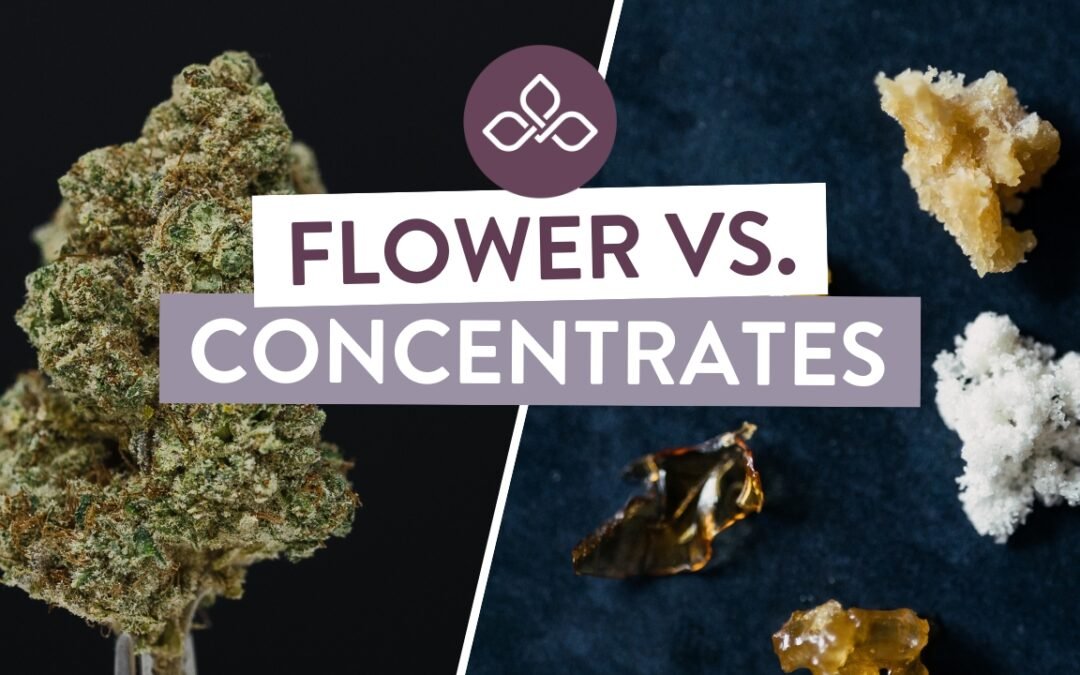
If you’re comparing THC flower vs THC concentrates, the biggest difference is how each product is produced, presented and consumed. THC flower is the dried flower of the cannabis plant, while concentrates are processed cannabis products designed to contain a more concentrated profile of cannabinoids and terpenes.
For UK readers, there is also an important legal distinction: recreational THC cannabis products are not generally legal to buy, possess or supply in the UK. Cannabis is a Class B controlled drug, and the Home Office states that cannabis flowers and leaves remain controlled regardless of their THC content.
This Sluggers Carts guide compares the characteristics of THC flower and THC concentrates, explains how they differ, and shows what to consider when researching cannabis products.
THC Flower vs THC Concentrates at a Glance
| Feature | THC Flower | THC Concentrates |
|---|---|---|
| Form | Dried cannabis flower | Processed cannabis extract |
| Plant material | Visible flower | Concentrated extract |
| Cannabinoids | Naturally present in flower | Concentrated cannabinoid profile |
| Terpenes | Naturally occurring | May be preserved or added depending on product |
| Appearance | Buds/flower | Oil, resin, sauce, badder or other forms |
| Processing | Generally less processed | More extensively processed |
| Product information | Strain/cultivar, cannabinoids, terpenes | Cannabinoids, terpene profile, extraction/product information |
| UK recreational legality | Controlled | Controlled |
| Main buying consideration | Flower quality and product information | Extract quality, testing and processing information |
What Is THC Flower?
THC flower refers to the dried flowering material of the cannabis plant.
Flower can vary significantly in appearance, aroma, cannabinoid profile and terpene composition. Product descriptions may include information such as:
- Cultivar or strain name
- Cannabinoid profile
- THC content
- Terpene profile
- Flower weight
- Batch information
- Laboratory testing information
- Packaging information
For consumers researching cannabis products, these details can be more useful than marketing descriptions alone. Browse our THC Flower Guide
What Makes THC Flower Different?
The main characteristic of flower is that the product remains recognisable as cannabis plant material. Rather than being extracted into a separate concentrate, cannabinoids and terpenes remain associated with the flower itself.
This makes flower an important category for people researching cannabis product formats and the differences between flower, vapes, pre-rolls and concentrates.
What Are THC Concentrates?
THC concentrates are processed cannabis products in which cannabinoids and other compounds are separated or concentrated from cannabis material.
Concentrates can have different textures and appearances depending on how they are produced. Common terminology includes:
- Live resin
- Sauce
- Badder
- Wax
- Shatter
- Rosin
- Live rosin
These terms can describe different extraction or processing approaches, so consumers should look beyond the product name and check the available product information. Learn our THC Concentrates complete guide for more
Why Are Concentrates Different From Flower?
Unlike flower, concentrates are not simply dried cannabis buds. They undergo additional processing designed to produce an extract with a more concentrated cannabinoid and/or terpene profile.
This makes THC concentrates vs flower an important comparison when researching cannabis product categories.
THC Flower vs THC Concentrates: Potency
One of the most obvious differences between flower and concentrates is cannabinoid concentration.
Concentrates are generally formulated to contain a much more concentrated cannabinoid profile than raw flower. However, the exact cannabinoid content varies significantly between products.
Rather than assuming that a product is stronger because of its name or appearance, check:
- Laboratory results
- Cannabinoid percentages
- Batch information
- Product specifications
- Testing methodology where available
A reliable product description should make the available cannabinoid information easy to understand.
THC Flower vs Concentrates: Terpenes
Terpenes are aromatic compounds found naturally in cannabis and many other plants.
Flower can retain naturally occurring terpenes throughout the dried plant material. Concentrates can also contain substantial terpene profiles, particularly products designed to preserve volatile compounds during processing.
When comparing products, look for a terpene profile rather than relying solely on a strain name.
Common cannabis-associated terpenes include:
- Myrcene
- Limonene
- Caryophyllene
- Pinene
- Linalool
The exact terpene profile varies according to cultivar, cultivation conditions, processing and storage.
THC Flower vs Concentrates: Appearance and Texture
Flower and concentrates are visually very different.
THC Flower
Flower generally appears as dried buds containing visible plant material and resin-producing structures.
THC Concentrates
Concentrates can have a range of textures, including:
Sauce:
A terpene-rich extract with a fluid or semi-fluid consistency.
Live Resin:
An extract category associated with processing fresh or freshly frozen cannabis material.
Badder:
A concentrate with a whipped or batter-like consistency.
Rosin:
A solventless extract produced using mechanical pressure and heat.
Live Rosin:
A type of rosin made using fresh/frozen starting material.
These descriptions help shoppers understand the category they are researching without assuming that one texture automatically indicates superior quality.
THC Flower vs THC Concentrates: Which Has More Terpenes?
There is no universal answer.
A flower can have an extensive terpene profile, while a concentrate can also preserve or concentrate aromatic compounds depending on how it was produced and stored.
Instead of choosing based solely on “high terpene” marketing language, look for:
- Named terpenes
- Laboratory information
- Batch details
- Storage information
- Processing details
- Clear product specifications
This is particularly useful when comparing different concentrate types.
How Do THC Flower and Concentrates Differ in Processing?
Processing is one of the biggest distinctions.
Flower
Flower generally requires drying, curing and appropriate storage after cultivation.
Concentrates
Concentrates require additional extraction or mechanical processing. The exact process depends on the product.
For example, rosin is produced without conventional solvent extraction, whereas other concentrate categories may use extraction techniques involving solvents.
For consumers comparing products, understanding the product’s processing method can provide useful context when reading laboratory reports and product descriptions.
What Should You Look for When Comparing Cannabis Products?
Whether you’re researching flower or concentrates, product transparency matters.
1. Cannabinoid Information
Look for clearly presented cannabinoid information rather than vague potency claims.
2. Laboratory Testing
Where testing is applicable, look for documentation covering relevant cannabinoid and contaminant information.
3. Terpene Information
A detailed terpene profile provides more useful information than simply describing something as “terpy.”
4. Batch Information
Batch numbers and production details can help connect a product to its relevant testing documentation.
5. Product Packaging
Packaging should clearly identify the product and provide appropriate information.
6. Storage Information
Cannabis-derived products can be affected by light, heat, oxygen and moisture, making appropriate storage important for maintaining product characteristics.
THC Flower vs THC Concentrates: Which Is Better?
There isn’t one universal answer because flower and concentrates are fundamentally different product formats.
Flower may appeal to people researching traditional cannabis plant material and wanting information about cultivar, cannabinoids and terpenes.
Concentrates may appeal to people interested in processed cannabis extracts and different extract categories such as live resin, sauce and rosin.
The better choice depends on the product characteristics you’re researching rather than simply choosing the product with the highest advertised THC percentage.
THC Flower vs THC Concentrates UK: What About the Law?
This is particularly important for UK readers.
Cannabis is classified as a Class B controlled drug under UK law. The Home Office states that cannabis is generally unlawful to possess, supply, produce, import or export except under the relevant licensing framework.
The Home Office also states that the controlled parts of cannabis include flowers and leaves, and that these remain controlled regardless of THC content.
There are lawful frameworks for certain cannabis-based medicinal products, including products prescribed by specialist doctors under the applicable regulations.
Therefore, UK shoppers should not assume that a product described as “low THC,” “hemp,” or “THCA” is automatically legal simply because of its cannabinoid label.
For current information, always check the applicable UK regulations and official government guidance.
THC Flower VS THC Concentrates: Understanding Product Categories
For a cannabis product website, it is useful to understand how different categories fit together.
THC Flower
Dried cannabis flower with a cannabinoid and terpene profile associated with its cultivar.
THC Concentrates
Processed cannabis extracts that can include categories such as live resin, sauce, badder and rosin.
THC Vapes
Vape products may contain cannabis extracts or other cannabinoid formulations depending on the product.
Pre-Rolls
Pre-rolls are prepared smoking products that may contain cannabis flower or other materials depending on the product.
These categories should not be treated as interchangeable because their production, composition and applicable regulations can differ.
Frequently Asked Questions
Is THC flower the same as a THC concentrate?
No. THC flower is dried cannabis plant material, whereas a concentrate is a processed cannabis extract.
Are concentrates stronger than flower?
Concentrates are generally more concentrated in cannabinoids than flower, but actual potency varies between products. Always refer to verified product testing and specifications rather than assuming potency from the product category alone.
What is the difference between live resin and flower?
Live resin is a cannabis extract category, while flower is the dried flowering material of the cannabis plant. Live resin undergoes additional processing and can have a different cannabinoid and terpene profile.
Is rosin a THC concentrate?
Yes. Rosin is a type of cannabis concentrate produced using mechanical pressure and heat rather than conventional solvent extraction.
Are THC concentrates legal in the UK?
Recreational THC concentrates are not generally lawful to possess or supply in the UK. Cannabis and cannabis resin are controlled drugs, and applicable exceptions and licensing frameworks are limited.
Is THC flower legal in the UK?
Ordinary THC cannabis flower is a controlled product in the UK. The Home Office states that cannabis flowers and leaves are controlled regardless of THC content.
Final Thoughts On THC flower vs THC concentrates
The key difference between THC flower vs THC concentrates is the product format and level of processing.
Flower is dried cannabis plant material with its naturally occurring cannabinoid and terpene profile, while concentrates are processed extracts available in different forms, including live resin, sauce, badder and rosin.
For anyone researching cannabis products, the most useful approach is to compare cannabinoid information, terpene profiles, testing documentation, batch details and processing information rather than relying solely on potency claims or product names.
For UK readers, legality should always be considered separately from product characteristics. Current UK government guidance confirms that cannabis remains a controlled drug and that cannabis flowers and leaves are controlled regardless of THC percentage.