
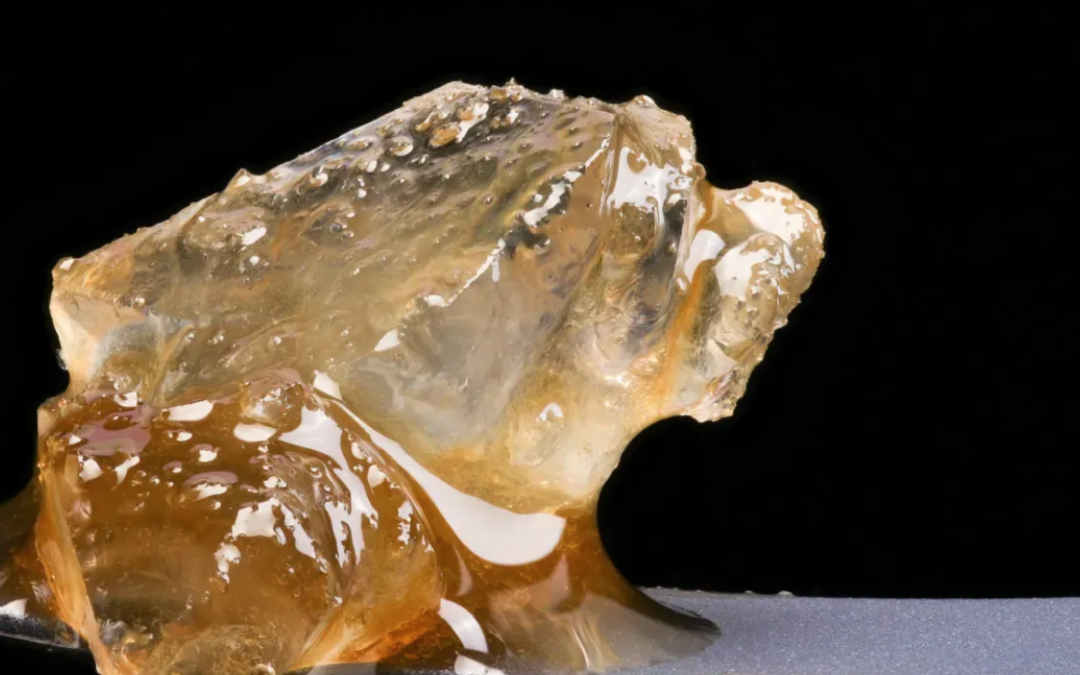
THCA diamonds are among the most concentrated and visually distinctive cannabis products available in international cannabis markets. Their crystal-like appearance, high cannabinoid content and relationship to THC have made them a popular subject for people researching cannabis concentrates.
But searching for THCA diamonds in the UK requires more than understanding the product itself.
THCA has a particularly important legal distinction in the UK in 2026. The UK Government has announced that it intends to proceed with controlling tetrahydrocannabinolic acid A (THCA-A) and tetrahydrocannabinolic acid B (THCA-B)as Class B substances under the Misuse of Drugs Act 1971, following recommendations from the Advisory Council on the Misuse of Drugs (ACMD).
This Sluggers Vapes guide explains what THCA diamonds are, how THCA differs from THC, why diamonds are so potent, common product formats, quality and COA considerations, potential effects, and the current UK legal position in 2026.
For related cannabis education, explore our guides on THCA Flower, THC Concentrates, THC Diamonds, Live Resin vs Distillate, THC COAs and UK Cannabis Laws 2026.
What Are THCA Diamonds?
THCA diamonds are highly concentrated crystalline forms of tetrahydrocannabinolic acid (THCA).
They are commonly described as crystals because purified THCA can form a solid, crystalline structure that resembles small pieces of clear or translucent mineral.
Unlike ordinary cannabis flower, which contains a mixture of cannabinoids, terpenes and plant material, THCA diamonds are associated with a much more concentrated cannabinoid profile.
This is why searches for terms such as:
- THCA diamonds
- THCA crystals
- THCA concentrate
- THCA diamond concentrate
- THCA isolate
- THCA crystalline
- THCA diamonds UK
have become increasingly common.
The important distinction is that THCA is not exactly the same chemical compound as delta-9 THC.
What Does THCA Stand For?
THCA stands for tetrahydrocannabinolic acid.
It is an acidic cannabinoid associated naturally with cannabis plants.
THCA is considered a precursor to THC because heat can cause a process called decarboxylation, during which THCA can convert into THC.
That distinction is central to understanding THCA products.
In unheated form, THCA and THC have different chemical structures and effects. When THCA is exposed to heat, however, it can undergo conversion toward THC.
THCA vs THC: What’s the Difference?
The names are similar, but THCA and THC should not simply be treated as identical.
| Feature | THCA | Delta-9 THC |
|---|---|---|
| Full name | Tetrahydrocannabinolic acid | Delta-9 tetrahydrocannabinol |
| Relationship | Precursor to THC | Psychoactive cannabinoid |
| Naturally present in cannabis | Yes | Yes, particularly after decarboxylation |
| Heat conversion | Can convert to THC | Already in active THC form |
| Psychoactivity | Different from THC in unheated form | Psychoactive |
| UK legal status | Subject to major 2026 legal changes | Controlled |
One of the most important points is that THCA should not be marketed as simply “non-psychoactive THC.”
Its behaviour changes when it is heated.
Why Are THCA Diamonds So Popular?
THCA diamonds attract attention for several reasons.
High Concentration
Diamonds are associated with highly concentrated THCA rather than ordinary cannabis flower.
Crystal Appearance
The transparent or semi-transparent crystalline appearance makes them visually distinctive.
Concentrate Market
They belong to the broader cannabis concentrate category, alongside products such as:
- Live resin
- Wax
- Shatter
- Budder
- Sauce
- Rosin
- Distillate
- Isolate
THCA-to-THC Chemistry
People are also interested in diamonds because heating THCA can cause decarboxylation and conversion toward THC.
This makes the chemistry behind THCA diamonds particularly important when comparing them with other concentrates.
What Do THCA Diamonds Look Like?
High-purity THCA crystals are typically associated with a hard, crystalline appearance.
Depending on formulation and manufacturing processes, products marketed as THCA diamonds can range from:
- Clear crystals
- Translucent crystals
- White or opaque crystals
- Crystal-like chunks
- Crystalline material mixed with terpene-rich extracts
Colour and appearance alone, however, cannot establish purity.
A visually impressive product can still have inaccurate cannabinoid labelling or contamination.
For that reason, laboratory testing is more useful than appearance when assessing concentrate quality.
THCA Diamonds vs THCA Isolate
The terms THCA diamonds and THCA isolate are sometimes used interchangeably, but they do not always describe exactly the same presentation.
THCA isolate generally refers to highly purified THCA material.
THCA diamonds specifically emphasise the crystalline structure of the product.
In commercial cannabis markets, diamonds may also be combined with terpene-rich extracts or other concentrate components.
Therefore, always check the actual cannabinoid and terpene profile rather than relying only on the product name.
THCA Diamonds vs Live Resin
THCA diamonds and live resin represent very different concentrate profiles.
THCA Diamonds
Generally emphasise:
- THCA concentration
- Crystalline appearance
- Cannabinoid concentration
- Purified concentrate characteristics
Live Resin
Generally emphasises:
- Terpene preservation
- Aroma
- Flavour
- Broader cannabis extract profile
- Fresh-frozen starting material
This makes the comparison less about which product is universally “better” and more about the intended product characteristics.
For a broader comparison, see our THC Concentrates Guide and Live Resin vs Distillate guide.
THCA Diamonds vs THC Diamonds
The terminology can become confusing because sellers may use phrases such as:
- THCA diamonds
- THC diamonds
- THC crystals
- Cannabis diamonds
- Diamond concentrate
These terms are not necessarily interchangeable.
A product labelled THCA diamonds should be evaluated based on its actual laboratory cannabinoid profile.
If a product is described as THC diamonds, determine whether the product actually contains THC, THCA or a mixture of cannabinoids.
This distinction becomes especially important in the UK because THC and THCA have specific regulatory implications.
What Effects Do THCA Diamonds Have?
The effects associated with THCA diamonds depend heavily on whether the THCA remains in its acidic form or undergoes heating and conversion.
Unheated THCA is chemically different from delta-9 THC.
When heated, THCA can undergo decarboxylation and form THC, which is associated with psychoactive effects.
This is one reason why the phrase “THCA doesn’t get you high” can be misleading when discussing concentrated THCA products.
The more accurate explanation is that unheated THCA and THC have different psychoactive properties, while heating THCA can convert it toward THC.
Potential THCA Effects
Research into THCA is still developing, and it should not be marketed as a proven treatment for medical conditions.
Consumers researching THCA may encounter claims involving:
- Relaxation
- Appetite
- Inflammation
- Neuroprotective properties
- Nausea
- Pain
However, laboratory and early-stage research should not be confused with established clinical evidence in humans.
The UK Government’s review of THCA has also highlighted concern about its potential conversion into THC when heated.
How Are THCA Diamonds Used?
THCA diamonds appear in various concentrate products and international cannabis markets.
However, because the UK Government has decided to proceed with controlling THCA-A and THCA-B as Class B substances, this article does not provide instructions, temperatures, quantities or step-by-step methods for consuming THCA diamonds in the UK.
From an educational perspective, the important distinction is that THCA concentrates can be encountered in products designed for:
- Heated concentrate applications
- Vaporisation products
- Cannabis concentrate formulations
- Research and analytical contexts
Heating is particularly important because it can promote decarboxylation of THCA into THC.
That chemical change is one of the defining characteristics of THCA products.
Why Heating THCA Matters
The chemistry behind THCA diamonds is one of the most important concepts to understand.
THCA contains an additional carboxyl group compared with THC.
When sufficient heat is applied, that group can be removed through decarboxylation.
The result is conversion toward delta-9 THC.
This means a product that contains predominantly THCA before heating can have a very different cannabinoid profile after heating.
It also explains why THCA should not automatically be described as equivalent to non-intoxicating cannabinoids such as CBD.
Are THCA Diamonds Strong?
THCA diamonds can contain very high concentrations of THCA compared with ordinary cannabis flower.
However, “strong” should not be judged solely from a percentage printed on a product page.
Important quality indicators include:
- Actual cannabinoid concentration
- Laboratory verification
- Batch consistency
- Presence of residual solvents
- Heavy-metal testing
- Pesticide testing
- Microbial testing
- Terpene profile
- Product formulation
A product advertising an extremely high percentage without credible laboratory documentation deserves additional scrutiny.
How to Read a THCA Diamonds COA
A Certificate of Analysis (COA) is one of the most useful documents for evaluating a cannabinoid product.
A credible laboratory report can help establish:
Cannabinoid Profile
Look for reported levels of:
- THCA
- Delta-9 THC
- CBD
- CBDA
- Other cannabinoids
Contaminant Testing
Depending on the laboratory and product, testing may cover:
- Heavy metals
- Pesticides
- Residual solvents
- Microbial contamination
- Mycotoxins
Batch Information
Check whether the COA corresponds to the specific batch being sold.
The following should ideally match:
Product name → Batch number → Laboratory report → Testing date
If those details do not match, the report may not represent the product you are looking at.
What Makes High-Quality THCA Diamonds?
For readers researching concentrate quality, several factors matter.
1. Transparent Laboratory Testing
A credible third-party laboratory report is one of the strongest quality indicators.
2. Accurate Cannabinoid Labelling
The reported cannabinoid profile should correspond with the laboratory documentation.
3. Contaminant Screening
Testing for contaminants can provide additional information about product quality.
4. Traceable Batch Information
A product should be traceable to a specific production batch.
5. Clear Manufacturer Information
Consumers should be able to identify who produced or supplied the product.
6. No Unsupported Health Claims
Be cautious of products promising guaranteed medical or therapeutic outcomes.
THCA Diamonds and Terpenes
Pure crystalline THCA is primarily associated with cannabinoid concentration rather than the broad terpene profile found in cannabis flower.
Some commercial concentrate products combine crystalline THCA with terpene-rich extracts.
This can change the:
- Aroma
- Flavour
- Texture
- Appearance
- Overall cannabinoid profile
Consequently, two products both marketed as “THCA diamonds” can be quite different.
THCA Diamonds vs Flower
THCA diamonds and THCA-rich cannabis flower differ considerably.
| Feature | THCA Diamonds | THCA Flower |
|---|---|---|
| Format | Concentrate | Plant material |
| THCA concentration | Typically much higher | Lower |
| Terpenes | May be added or combined with extract | Naturally present |
| Plant material | Minimal | Present |
| Appearance | Crystalline | Bud/flower |
| Product consistency | Concentrate-based | Cultivation-dependent |
| Laboratory testing | Important | Important |
This is why concentrate products should be evaluated separately from ordinary cannabis flower.
THCA Diamonds vs Concentrates
THCA diamonds are part of the wider concentrate category.
Other concentrate types include:
- Shatter
- Wax
- Budder
- Sauce
- Live resin
- Rosin
- Distillate
- Crystalline isolates
The biggest difference is usually the cannabinoid and terpene profile.
For example, distillate is generally associated with refined cannabinoid oil, while live resin is generally associated with preserving a broader terpene-rich extract profile.
THCA diamonds instead emphasise crystalline THCA.
Are THCA Diamonds Legal in the UK in 2026?
This is the most important section for a UK-focused article.
The Short Answer
THCA diamonds should not be treated as a legally unrestricted recreational cannabis product in the UK.
The legal position has been changing.
The ACMD recommended that THCA-A and THCA-B be controlled under the Misuse of Drugs Act 1971 as Class B substances and under Schedule 1 of the Misuse of Drugs Regulations 2001.
In its May 2026 response, the UK Government stated that it had decided to proceed with the control of THCA-A and THCA-B as Class B named substances.
This is particularly important for anyone searching for THCA diamonds UK.
Why the Legal Position Matters
THCA products have sometimes been marketed internationally around the distinction between THCA and delta-9 THC.
But UK law is not determined solely by whether a product is intoxicating before heating.
The Government’s 2026 response specifically considered the fact that THCA can be converted into THC by heating and concluded that THCA should be brought under controlled-drug legislation.
Therefore, claims such as:
“It’s THCA, not THC, so it’s automatically legal.”
should not be relied upon in the UK.
What About “Hemp-Derived” THCA Diamonds?
Another common marketing phrase is hemp-derived THCA.
This does not automatically establish UK legality.
The UK’s industrial hemp framework is substantially narrower than simply allowing all cannabinoid products made from hemp.
The Home Office states that licensed industrial hemp cultivation is tied to low-THC varieties and permitted uses involving non-controlled plant parts such as seed and fibre; the policy does not provide a general route for using cannabis flowers and leaves as ordinary commercial hemp material.
Therefore:
Hemp-derived ≠ automatically legal THCA product in the UK.
What About the 0.2% THC Rule?
A common misconception is that any cannabis product containing less than 0.2% THC is automatically legal in the UK.
That is an oversimplification.
The Home Office’s industrial hemp guidance concerns licensed cultivation of approved low-THC varieties for specified purposes. It does not create a blanket consumer exemption for concentrated cannabinoid products.
A concentrated THCA product should therefore not be assessed simply by looking for a “below 0.2%” statement.
The cannabinoid, product composition, source material, intended use and applicable controlled-drug provisions all matter.
THCA Diamonds and the UK 2026 Regulatory Changes
The legal environment around THCA has been developing rapidly.
In 2025, the ACMD reviewed THCA and other emerging cannabinoids and recommended additional controls.
The Government subsequently stated in May 2026 that it would proceed with controlling THCA-A and THCA-B as Class B substances.
This means older articles claiming that “THCA is legal in the UK” may no longer accurately represent the 2026 regulatory position.
Anyone researching THCA products should therefore check the date of the information they are reading.
How to Spot Misleading THCA Diamond Claims
The rapidly changing cannabinoid market has created plenty of misleading terminology.
Be cautious of claims such as:
- “100% UK legal”
- “Legal because it’s hemp”
- “Under 0.2% so completely legal”
- “THCA isn’t THC”
- “No THC means no legal restrictions”
- “Government-approved THCA”
- “Guaranteed medical benefits”
The legality of a cannabinoid product cannot be established solely by its marketing description.
Buying Considerations for THCA Concentrates
For consumers researching products in markets where THCA concentrates are lawfully available, quality assessment should focus on documentation rather than marketing.
Look for:
Third-party testing
Independent laboratory results are preferable to unsupported manufacturer claims.
Batch numbers
A COA should correspond to the product batch.
Cannabinoid transparency
The report should clearly identify the cannabinoids detected.
Contaminant testing
Where applicable, look for testing for pesticides, heavy metals, residual solvents and microbial contamination.
Manufacturer transparency
The company should provide meaningful information about the product’s origin and testing.
THCA Diamonds FAQ
What are THCA diamonds?
THCA diamonds are crystalline cannabis concentrates associated with highly purified tetrahydrocannabinolic acid.
Are THCA diamonds the same as THC diamonds?
Not necessarily. THCA diamonds primarily refer to crystalline THCA, while “THC diamonds” can be used more loosely as a marketing term. Always check the actual cannabinoid profile.
Do THCA diamonds contain THC?
A product marketed as THCA diamonds may contain predominantly THCA but can also contain measurable THC or other cannabinoids. A laboratory report is the best way to determine the actual profile.
Does THCA turn into THC?
THCA can undergo decarboxylation when heated, converting it toward delta-9 THC.
Are THCA diamonds legal in the UK?
The UK Government has decided to proceed with controlling THCA-A and THCA-B as Class B substances. Therefore, THCA diamonds should not be treated as an unrestricted recreational product in the UK.
Are hemp-derived THCA diamonds legal?
“Hemp-derived” alone does not establish legality in the UK. UK controlled-drug legislation and the specific composition and circumstances of the product must be considered.
Are THCA diamonds stronger than flower?
THCA diamonds are generally much more concentrated than ordinary cannabis flower, but product strength should be verified through independent laboratory testing rather than marketing claims.
What is a THCA diamonds COA?
It is a Certificate of Analysis showing laboratory results for a particular THCA product or batch.
What should I look for on a THCA diamonds COA?
Look for the cannabinoid profile, batch information, testing date and, where applicable, contaminant testing such as pesticides, heavy metals, residual solvents and microbial analysis.
Can THCA diamonds be considered CBD?
No. THCA and CBD are different cannabinoids with different chemical structures and regulatory considerations.
Why are THCA diamonds crystalline?
Highly purified THCA can form a crystalline structure, which gives diamond products their characteristic appearance.
Final Thoughts: THCA Diamonds UK 2026
THCA diamonds represent one of the most concentrated and technically interesting categories within the modern cannabis concentrate market.
Their crystalline appearance and high THCA content make them particularly popular topics for cannabis consumers researching THCA concentrates, THCA crystals and THC alternatives.
However, the UK legal position is critical.
The Government’s 2026 response confirms its decision to proceed with controlling THCA-A and THCA-B as Class B substances, following the ACMD’s recommendations.
That makes it inappropriate to treat THCA diamonds as an ordinary unrestricted UK cannabis product or to rely on simplistic claims based solely on the word “hemp” or a THC percentage.
For anyone researching THCA diamonds, the key areas to understand are THCA vs THC, decarboxylation, concentrate quality, laboratory testing, COAs and the current UK regulatory framework.