
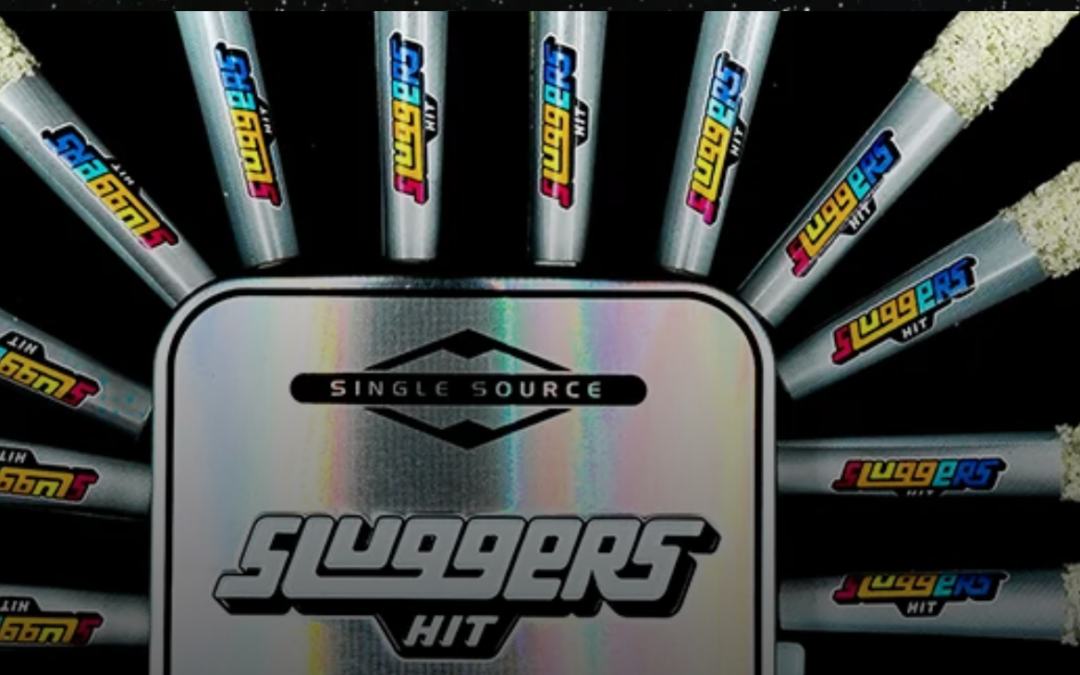
Weed cones have become one of the easiest ways to prepare a pre-roll without having to master traditional joint-rolling techniques. Instead of starting with a flat rolling paper, a pre-rolled cone is already shaped, sealed and fitted with a mouthpiece or filter.
For consumers interested in convenience, cones offer a consistent format that is simple to fill and available in different sizes, paper types and designs.
This Sluggers Vapes complete guide explains what weed cones are, how pre-rolled cones work, the different cone sizes and materials, general packing considerations, what makes a quality cone, and some of the most recognised brands in the category. Read our THC Flower Guide
What Are Weed Cones?
weed cones are pre-formed rolling paper designed to hold ground cannabis or another legal smoking blend.
Unlike a traditional joint, which requires the user to shape and seal a flat sheet of rolling paper, a cone arrives already formed into its characteristic tapered shape.
The narrow end normally contains a paper filter or crutch, while the wider end is left open for filling.
The basic components are:
- Rolling paper: Forms the outer body of the cone.
- Filter or crutch: Creates a stable mouthpiece and helps prevent loose material from entering the mouth.
- Seam: Holds the cone’s paper structure together.
- Open end: Allows the cone to be filled.
- Twist or closure: Seals the top after filling.
Pre-rolled cones are popular because they remove much of the technique associated with rolling a joint from scratch.
Pre-Rolled Cone vs Traditional Joint
The biggest difference is how the smoking product is prepared.
A traditional joint starts with a flat rolling paper and requires the user to form the paper around the material. A pre-rolled cone has already been manufactured into its final shape.
| Feature | Pre-Rolled Cone | Traditional Joint |
|---|---|---|
| Shape | Pre-formed | Rolled manually |
| Skill required | Lower | Higher |
| Filter | Usually included | May need to be added |
| Consistency | Generally consistent | Depends on rolling technique |
| Paper options | Hemp, rice, wood pulp and others | Wide selection |
| Preparation | Fill and close | Grind, shape, roll and seal |
For beginners, the main advantage of a cone is convenience. For experienced rollers, traditional papers offer greater control over the final shape and construction.
Why Are Weed Cones So Popular?
Several factors have helped pre-rolled cones become a popular format.
1. Easy Preparation
Because the cone is already shaped, there is no need to learn how to form a tapered joint from a flat paper.
2. Consistent Shape
Manufactured cones are designed to maintain a consistent shape, making them useful when preparing multiple pre-rolls.
3. Built-In Mouthpiece
Most cones include a paper filter or crutch, eliminating the need to construct one separately.
4. Multiple Sizes
Cones are available in formats ranging from smaller personal sizes to larger cones designed for sharing.
5. Wide Choice of Papers
Consumers can choose between different paper materials, thicknesses and finishes depending on their preferences.
Weed Cone Sizes Explained
One of the first things to consider when choosing a pre-rolled cone is size.
Common formats include smaller cones, standard 1¼-style cones and larger king-size formats. Exact capacity varies by manufacturer and paper design, so size names should not automatically be treated as precise fill weights.
Small or Mini Cones
Mini cones are designed for smaller quantities and shorter sessions.
They’re particularly useful when you want a compact format rather than a large pre-roll.
1¼-Size Cones
The 1¼ format is one of the most versatile choices.
It offers a balance between compact size and capacity, making it a popular choice for individual use.
King-Size Cones
King-size cones provide a larger format and are often selected when a bigger pre-roll is preferred.
Because capacity varies between manufacturers, always check the manufacturer’s specifications rather than assuming every king-size cone holds the same amount.
Specialty and Large Cones
Some manufacturers produce extra-large, novelty or specialty cones.
These can be useful for events or presentation-focused products but aren’t necessarily the best choice for everyday use.
What Are Pre-Rolled Cones Made From?
The paper itself can significantly influence the overall experience.
Common materials include:
Hemp Cones
Hemp paper is widely used for rolling products and is often chosen for its natural appearance and relatively durable structure.
Hemp cones are available in both conventional and unbleached varieties.
Rice Paper Cones
Rice paper is typically thinner and lighter than many conventional paper options.
The thinner construction can provide a minimalist appearance, but it may also require more careful handling.
Wood-Pulp Paper
Wood-pulp papers are another traditional option and are widely used across rolling-paper products.
They tend to provide a more substantial paper structure compared with some ultra-thin alternatives.
Unbleached Paper
Unbleached cones retain a natural-looking appearance and are popular among consumers who prefer a less processed-looking paper.
When choosing any cone, look beyond the colour of the paper and consider the manufacturer’s materials, manufacturing standards and product information.
What Makes a High-Quality Weed Cone?
Not every pre-rolled cone is manufactured to the same standard.
If you’re comparing products, look for:
Consistent Construction
The cone should have a clean shape and a properly sealed seam.
Secure Filter
The mouthpiece should remain firmly attached and maintain its shape during handling.
Good Paper Quality
The paper should be appropriately manufactured for its intended use and shouldn’t easily tear during normal handling.
Clean Packaging
Packaging should protect the cones from crushing, moisture and contamination.
Reliable Manufacturing
Established manufacturers generally provide clearer information about paper materials, sizes and production specifications.
How to Pack a Pre-Rolled Cone
Packing a cone is considerably simpler than rolling one from scratch, but consistency still matters.
The basic principle is to fill gradually and avoid creating either large air pockets or an excessively compressed column of material.
A consistent grind and even distribution are commonly recommended because large pieces can create gaps while excessively fine material can restrict airflow.
Start With a Consistent Texture
Material should be reasonably uniform rather than containing large chunks and stems.
A consistent texture helps the contents settle more evenly throughout the cone.
Add Material Gradually
Rather than attempting to fill the entire cone at once, add material in smaller amounts.
This gives you greater control over distribution.
Avoid Excessive Compression
One of the most common mistakes is packing a cone too tightly.
An excessively dense cone can restrict airflow, while an extremely loose fill can produce an inconsistent burn.
The objective is consistency rather than maximum compression.
Close the Open End
Once the cone is appropriately filled, the remaining paper can be twisted or otherwise closed according to the manufacturer’s design.
This helps keep the contents contained during handling.
Common Weed Cone Problems
Even a quality cone can perform poorly if the preparation is inconsistent.
The Cone Feels Too Tight
This can indicate excessive compression.
If airflow is noticeably restricted, the material may be packed too densely.
The Cone Burns Unevenly
Uneven distribution, inconsistent material texture and inconsistent density can all contribute to an uneven burn.
The Paper Tears
Paper can tear if it is handled roughly, exposed to excessive moisture or overloaded.
Material Falls Out
An excessively loose fill or poorly closed top can allow material to move around inside the cone.
How to Choose the Right Weed Cone Size
The best size depends on how you intend to use the cone.
Consider:
For smaller personal formats: Choose a mini or smaller cone.
For an everyday standard format: A 1¼-style cone is a versatile option.
For larger formats: Consider a king-size or specialty cone.
Don’t choose a cone based solely on its advertised capacity. Paper thickness, cone diameter, filter size and manufacturer design can all affect how much material the finished cone can accommodate.
Weed Cone Paper: Does It Affect the Experience?
Yes.
Paper thickness and material can influence how the cone handles and burns.
Thinner papers generally use less material and can provide a lighter paper presence, while thicker papers may offer greater structural rigidity.
However, paper choice shouldn’t be viewed in isolation.
The overall result also depends on:
- Material consistency
- Moisture level
- Packing density
- Cone construction
- Storage
- Filter design
- Manufacturing quality
For this reason, a premium cone isn’t necessarily the right choice for everyone.
Best Pre-Rolled Cone Brands
Several established brands are commonly associated with rolling papers and pre-rolled cones.
RAW
RAW is one of the most recognisable names in rolling papers and cones.
Its product range includes different sizes and paper formats, making it a common reference point when comparing pre-rolled cones.
OCB
OCB is another established rolling-paper manufacturer with a broad range of paper products and cone formats.
It is worth considering if you want a traditional rolling-paper brand with multiple paper options.
Elements
Elements is known for thin rolling papers and related rolling products.
Its minimalist paper approach makes it a popular option among consumers who prioritise lightweight rolling papers.
Vibes
Vibes offers rolling papers and cone products with an emphasis on modern packaging and different sizes.
King Palm
King Palm takes a different approach from conventional paper cones, offering natural palm-leaf products alongside its broader range of pre-roll formats.
Sluggers
Sluggers is particularly relevant to consumers looking at professionally prepared pre-roll products rather than simply empty cones.
Its product range includes formats such as JUICED 5 Packs and glass-tip joints, giving consumers an alternative to preparing an empty cone themselves.
When comparing brands, remember that an empty cone and a finished pre-roll are different products. One is a rolling accessory; the other is a completed product containing the material.
Empty Weed Cones vs Ready-Made Pre-Rolls
This is an important distinction when shopping.
Empty Cones
An empty cone gives you control over:
- Paper type
- Cone size
- Material
- Fill amount
- Filter style
It is essentially a preparation accessory.
Ready-Made Pre-Rolls
A ready-made pre-roll has already been filled and packaged.
This provides convenience and eliminates the preparation process.
For consumers who value consistency and convenience, ready-made pre-rolls can be more straightforward. For people who want control over the contents and paper, empty cones provide greater flexibility.
Weed Cones vs Blunts
Although both are pre-roll formats, they are not identical.
Traditional cones are generally made from rolling paper, while blunts can use thicker wraps or alternative materials.
| Feature | Cone | Blunt |
|---|---|---|
| Typical construction | Paper | Thicker wrap/material |
| Shape | Tapered | Often cylindrical or tapered |
| Mouthpiece | Common | Depends on product |
| Paper thickness | Usually thinner | Usually thicker |
| Preparation | Fill a pre-formed cone | Depends on wrap |
The right choice comes down to preferred format, paper material and local legality.
How to Store Pre-Rolled Cones
Storage can affect paper condition and the quality of the contents.
Keep cones and finished pre-rolls:
- Away from excessive moisture
- Away from direct sunlight
- Away from excessive heat
- In clean, protective packaging
- Away from children and pets
- Separate from strong-smelling household products
For finished cannabis products, follow any storage instructions supplied by the manufacturer.
What to Look for When Buying Pre-Rolled Cones
Before buying a cone pack, check:
1. Size: Does the cone match your intended format?
2. Material: Is it hemp, rice, wood pulp or another material?
3. Filter: Is the mouthpiece securely constructed?
4. Packaging: Does the package protect the cones properly?
5. Manufacturer: Does the company provide clear product information?
6. Construction: Are the seams clean and consistent?
7. Reviews: Are customers reporting problems with tearing, poor construction or inconsistent sizing?
Are Expensive Weed Cones Better?
Not necessarily.
A higher price can reflect premium paper, specialised manufacturing, packaging or branding, but price alone doesn’t guarantee better performance.
A good cone should primarily provide:
- Reliable construction
- Consistent shape
- Appropriate paper quality
- A secure filter
- Protective packaging
The best option is the one that matches your preferences rather than simply the most expensive product on the shelf.
Weed Cones Buying Guide: Quick Comparison
| Cone Type | Best For | Main Advantage |
|---|---|---|
| Mini cone | Smaller formats | Compact |
| 1¼ cone | Everyday use | Versatile |
| King-size cone | Larger formats | More capacity |
| Hemp cone | Natural paper preference | Durable construction |
| Rice cone | Thin-paper preference | Lightweight paper |
| Unbleached cone | Natural appearance | Minimalist look |
| Glass-tip cone | Premium format | Reusable-style mouthpiece experience |
| Ready-made pre-roll | Convenience | No preparation required |
Frequently Asked Questions Weed Cones.
What is a weed cone?
A weed cone is a pre-formed rolling paper, usually with a filter or crutch at the narrow end, designed to be filled with cannabis or another legal smoking blend.
Are pre-rolled cones easier than rolling papers?
Yes. The cone is already shaped, so you don’t have to construct the joint from a flat sheet of paper.
What size weed cone should I buy?
For a standard format, a 1¼-style cone is a versatile starting point. Smaller and larger formats are available depending on your preferences.
What are weed cones made from?
Common materials include hemp, rice paper and wood pulp, although exact materials vary between manufacturers.
Why does my cone burn unevenly?
Uneven texture, inconsistent distribution and inconsistent packing can contribute to an uneven burn.
Can you reuse a pre-rolled cone?
Most conventional paper cones are designed as single-use products. Reusing a paper cone is generally not recommended because the paper and filter can become damaged or contaminated.
Are RAW cones better than other brands?
RAW is one of the best-known cone brands, but “better” depends on the paper type, size and construction you prefer. OCB, Elements, Vibes and other manufacturers offer alternatives.
Are glass-tip cones different?
Yes. Glass-tip cones use a glass mouthpiece instead of a conventional paper filter, providing a different feel and presentation.
What is the difference between an empty cone and a pre-roll?
An empty cone is a rolling accessory that still needs to be filled. A pre-roll has already been prepared and packaged as a finished product.
Final Verdict: Are Weed Cones Worth It?
For consumers who want the convenience of a pre-formed joint without learning how to roll from scratch, weed cones are one of the simplest pre-roll formats available.
The biggest factors to consider are cone size, paper material, filter construction, manufacturing quality and packaging.
For an everyday option, a standard 1¼-style cone offers a practical balance of size and convenience. Hemp, rice and wood-pulp options provide different paper characteristics, while premium formats such as glass-tip cones offer a more specialised presentation.
If convenience is your priority, ready-made pre-rolls eliminate the preparation process altogether. If control over the paper and contents matters more, empty pre-rolled cones provide greater flexibility.
Ultimately, the best weed cone isn’t necessarily the biggest or most expensive. It’s the one with reliable construction, appropriate paper quality and a size that matches your intended use.
Suggested Internal Links:
- THC Flower Guide
- Best Pre-Rolls Guide
- Indica vs Sativa vs Hybrid
- THC Flower vs Pre-Rolls
- How to Store THC Flower
- THC Flower COA Guide
- Cannabis Comparisons
- Sluggers Pre-Rolls Guide
Suggested CTA:
Explore our pre-roll and cannabis product guides to compare formats, sizes, materials and product quality before choosing your next option.