
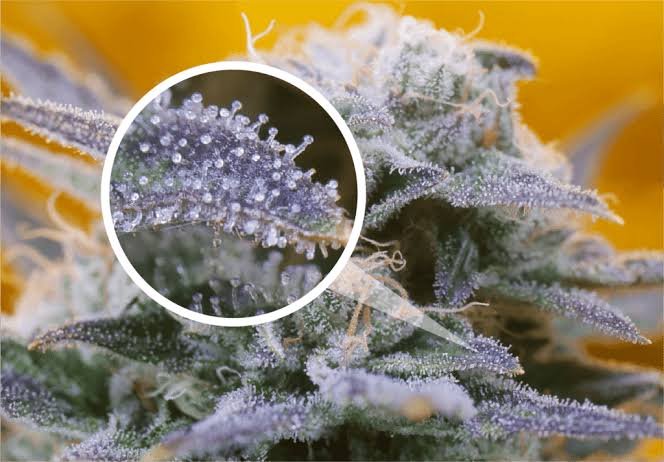
If you’ve ever looked closely at a cannabis bud and noticed a sparkling, frosty coating across the surface, you’ve seen THC flower trichomes. These tiny resin-producing structures are one of the most distinctive features of cannabis flower and can tell you more about the plant’s cannabinoids, terpenes, appearance and development.
For shoppers comparing different types of THC flower, understanding trichomes can be useful when assessing flower quality. However, visible frost is only one part of the picture. Cannabinoid information, terpene profiles, cultivation methods, curing, storage and laboratory documentation should also be considered.
In this guide, we’ll explain what THC flower trichomes are, what they do, the different types of trichomes, what clear, cloudy and amber trichomes mean, and how trichomes can help you better understand cannabis flower.
What Are THC Flower Trichomes?
Trichomes are tiny resin-producing structures found on the cannabis plant, particularly around the flowers.
Under magnification, they can look like miniature crystals or mushroom-shaped structures covering the surface of a cannabis bud.
Trichomes are important because they are associated with the production and storage of cannabinoids and terpenes. These compounds contribute to many of the characteristics consumers associate with cannabis flower, including cannabinoid content, aroma and flavour.
If you’re new to cannabis flower, our guide on what THC flower is provides a useful introduction to cannabis flower, how it differs from other cannabis products and the characteristics to consider when comparing products.
Why Does THC Flower Look Frosty?
The familiar frosted or sparkling appearance of some cannabis buds comes largely from their visible trichome coverage.
When light reflects from the tiny resin glands, the surface of the flower can appear covered in crystals.
This is why phrases such as:
- Frosty flower
- Crystal-covered buds
- Resin-rich flower
- Heavy trichome coverage
are commonly used when describing cannabis flower.
However, visual appearance should not be confused with laboratory-confirmed cannabinoid content.
Why Are Trichomes Important in Cannabis Flower?
Trichomes have an important relationship with the chemical composition of cannabis.
They are closely associated with cannabinoids and terpenes, making them an important part of understanding how cannabis flower develops its distinctive characteristics.
Trichomes and Cannabinoids
Cannabinoids are produced in cannabis trichomes.
Depending on the flower, laboratory information may provide details about cannabinoids such as THC, THCA, CBD and other compounds.
This is why you shouldn’t try to estimate cannabinoid content simply by looking at how frosty a flower appears.
For a more reliable way of evaluating product information, see our THC Flower COA Guide, which explains what laboratory documentation can tell you about cannabis flower.
Trichomes and Terpenes
Trichomes are also closely associated with cannabis terpenes.
Terpenes contribute to the distinctive aromas and flavours found across different cannabis cultivars. Different flower varieties can therefore have very different aromatic profiles even when their cannabinoid percentages appear similar.
If you’re comparing flower based on aroma and cultivar characteristics, our guide to terpenes in THC flower is a useful next step.
The Main Types of Cannabis Trichomes
Cannabis produces several different types of trichomes. They vary in size, structure and visibility.
The three commonly discussed types are bulbous, capitate-sessile and capitate-stalked trichomes.
Bulbous Trichomes
Bulbous trichomes are extremely small structures found across the cannabis plant.
Because they are so small, they are difficult to see without magnification.
Although they contribute to the plant’s resin-producing structures, they aren’t normally the trichomes consumers notice when examining a cannabis bud.
Capitate-Sessile Trichomes
Capitate-sessile trichomes are larger than bulbous trichomes and have a more developed glandular structure.
They can occur across different parts of the plant but are generally less visually obvious than the larger trichomes found on mature flowers.
Capitate-Stalked Trichomes
Capitate-stalked trichomes are the larger, more visible structures commonly associated with the frosty appearance of cannabis flowers.
They consist of a stalk supporting a glandular head and are particularly noticeable on mature cannabis buds.
When someone describes a flower as having heavy or impressive trichome coverage, these are among the structures they are typically referring to.
What Do Clear, Cloudy and Amber Trichomes Mean?
One of the most common ways growers and cannabis enthusiasts discuss trichomes is by examining their colour and transparency under magnification.
Trichomes can change in appearance as they develop.
Clear Trichomes
Clear trichomes have a transparent appearance.
They are commonly associated with an earlier stage of trichome development.
Looking at clear trichomes can therefore provide information about the developmental stage of a plant, but colour alone should not be treated as a universal measurement of flower quality.
Cloudy or Milky Trichomes
Cloudy or milky trichomes have a more opaque appearance.
This change is associated with trichome development and maturation.
Many growers use trichome appearance alongside other indicators when assessing when cannabis plants are ready for harvest.
Amber Trichomes
Amber trichomes have a darker, yellowish or brownish appearance.
They can develop as trichomes mature further.
However, the idea that a particular trichome colour automatically means a flower is stronger, better or suitable for every consumer is an oversimplification.
Trichome appearance is one indicator among many.
Does More Trichome Coverage Mean Better THC Flower?
Not necessarily.
Heavy trichome coverage can make cannabis flower look visually appealing, but it doesn’t provide a complete assessment of product quality.
When comparing THC flower, consider several factors together.
Cannabinoid Information
Look at the available cannabinoid information rather than estimating potency from appearance.
Terpene Profile
A terpene profile can provide useful information about a flower’s aromatic characteristics.
Cultivar Information
Different cultivars naturally produce different combinations of cannabinoids, terpenes and physical characteristics.
You can also explore our guide to the best THC flower strains for more information about comparing different flower varieties.
Laboratory Documentation
Where available, laboratory documentation can provide useful information about the product and its cannabinoid profile.
Flower Condition
Appearance, aroma, texture and freshness can all contribute to the overall condition of cannabis flower.
This is why trichomes should be treated as one part of a broader flower-quality assessment, rather than as a standalone grading system.
How to Look at THC Flower Trichomes
You don’t need specialist laboratory equipment to see the trichomes on cannabis flower.
A magnifying glass, jeweller’s loupe or suitable macro camera can make them much easier to see.
When examining THC flower, look at:
1. Overall Trichome Coverage
Look at how extensively the visible resin glands cover the flower.
2. Trichome Appearance
Magnification can reveal whether the trichomes appear clear, cloudy or amber.
3. Flower Condition
Consider the overall appearance of the buds rather than focusing exclusively on the trichomes.
4. Aroma
A noticeable aroma can provide additional information about the flower’s terpene profile.
5. Product Information
Check the cannabinoid information, cultivar details and available laboratory documentation.
This combination gives you a much more useful picture than judging a flower solely by how “frosty” it looks.
Trichomes vs Pistils: What’s the Difference?
Trichomes are sometimes confused with the hair-like structures found on cannabis flowers.
They are not the same thing.
Trichomes are tiny resin-producing structures that can give cannabis flowers their frosty appearance.
Pistils, more accurately referred to as stigmas when discussing the visible hair-like structures, are reproductive structures associated with the cannabis flower.
Pistils can appear white, orange, red or brown depending on the plant’s development.
The easiest way to distinguish them is their appearance:
- Trichomes: tiny crystal-like or mushroom-shaped structures
- Pistils: thin hair-like structures
When evaluating the appearance of THC flower, don’t confuse the two.
What Makes Frosty THC Flower Look Different?
The amount and distribution of visible trichomes can vary significantly between cannabis cultivars.
Genetics play an important role, but growing conditions and cultivation practices can also influence the appearance of finished flower.
For example, cannabis grown indoors, outdoors or in a greenhouse can develop different physical characteristics depending on genetics and environmental conditions.
Our indoor vs outdoor vs greenhouse cannabis guide explains these cultivation differences in more detail.
A frosty appearance can therefore be interesting to examine, but it doesn’t tell the entire story about how the flower was produced.
Why Trichome Preservation Matters
Trichomes are delicate.
Excessive handling, heat, light, oxygen and unsuitable storage conditions can affect the condition of cannabis flower and its resin-rich structures.
This is particularly relevant after purchase.
Avoid unnecessary handling of the buds and store flower appropriately to help maintain its condition.
For more information, read our guide on how to store THC flower.
Proper storage can help protect the flower’s appearance, aroma and overall condition over time.
Trichomes and THC Concentrates
Understanding trichomes can also help explain how cannabis flower relates to concentrates.
Cannabis trichomes contain resin associated with cannabinoids and terpenes, which is why resin-rich material plays an important role in products such as hash, kief and various cannabis concentrates.
This creates a natural connection between flower and concentrates.
If you’re comparing these product types, our THC flower vs THC concentrates guide explains the key differences between the two.
How Trichomes Can Help When Choosing THC Flower
If you’re shopping for THC flower, trichomes can be useful to examine—but they shouldn’t be the only consideration.
A better evaluation process is to look at the whole product.
Check the Flower’s Appearance
Look for well-presented flower with visible trichome coverage and an overall appearance consistent with the product description.
Review Cannabinoid Information
Use available laboratory or product information rather than trying to estimate cannabinoid content visually.
Look at the Terpene Profile
Terpene information can help you understand the aromatic characteristics associated with a particular cultivar.
Consider the Cultivar
Different cultivars naturally have different appearances, aromas and cannabinoid and terpene profiles.
Check Laboratory Documentation
A COA can provide considerably more useful information than visual inspection alone.
Consider Storage and Freshness
Flower should be appropriately stored and handled to maintain its condition.
Are Trichomes a Sign of High-Quality THC Flower?
Trichomes can be one visual characteristic associated with quality flower, but they aren’t a standalone quality test.
A flower can have attractive trichome coverage while still requiring closer consideration of its cannabinoid profile, terpene information, cultivation method, freshness and laboratory documentation.
Likewise, judging flower solely by the number of visible trichomes can overlook other characteristics that matter when comparing products.
For shoppers, the best approach is to combine visual inspection with reliable product information.
If you’re researching the legal side of THC flower in the UK, you can also read our THC Flower Laws UK guide for information about the relevant UK regulatory landscape.
THC Flower Trichomes FAQs
What are THC flower trichomes?
THC flower trichomes are tiny resin-producing structures found primarily on cannabis flowers. They are associated with cannabinoids and terpenes and contribute to the frosty appearance of many cannabis buds.
Why does THC flower have crystals on it?
The crystal-like appearance comes largely from visible trichomes covering the surface of the flower.
Are more trichomes better?
Not necessarily. Trichome coverage is one visual characteristic, but it doesn’t independently determine the overall quality or cannabinoid content of a cannabis flower.
What colour should THC flower trichomes be?
Trichomes can appear clear, cloudy or amber as they develop and mature. Their appearance can provide information about development, but colour shouldn’t be treated as a universal quality rating.
Do trichomes contain THC?
Cannabis trichomes are major sites associated with cannabinoid production and storage, including THC-related compounds.
Are trichomes the same as pistils?
No. Trichomes are resin-producing structures, while pistils or stigmas are hair-like reproductive structures associated with cannabis flowers.
Can THC flower lose trichomes?
Yes. Trichomes are delicate and can be disturbed through excessive handling, friction and unsuitable storage.
Why do some cannabis flowers have more trichomes?
Genetics play a major role in trichome production, while cultivation and environmental conditions can also influence their development.
Explore More THC Flower Guides
If you’re learning how to compare THC flower, understanding trichomes is only the beginning.
You can continue researching flower quality through our related guides:
- What Is THC Flower?
- THC Flower COA Guide
- Terpenes in THC Flower
- Best THC Flower Strains
- Indoor vs Outdoor vs Greenhouse Cannabis
- How to Store THC Flower
- THC Flower Troubleshooting UK
- THC Flower Laws UK
Final Takeaway
THC flower trichomes are an important part of what makes cannabis flower distinctive.
These tiny resin-producing structures contribute to the frosty appearance of many cannabis buds and are closely associated with cannabinoids and terpenes.
However, don’t judge flower solely by its trichomes.
When comparing THC flower, combine what you can see with cannabinoid information, terpene profiles, cultivar details, laboratory documentation, cultivation information, freshness and storage.
That gives you a much more complete way to evaluate cannabis flower and understand the differences between products.